Tag: Real Life Stories

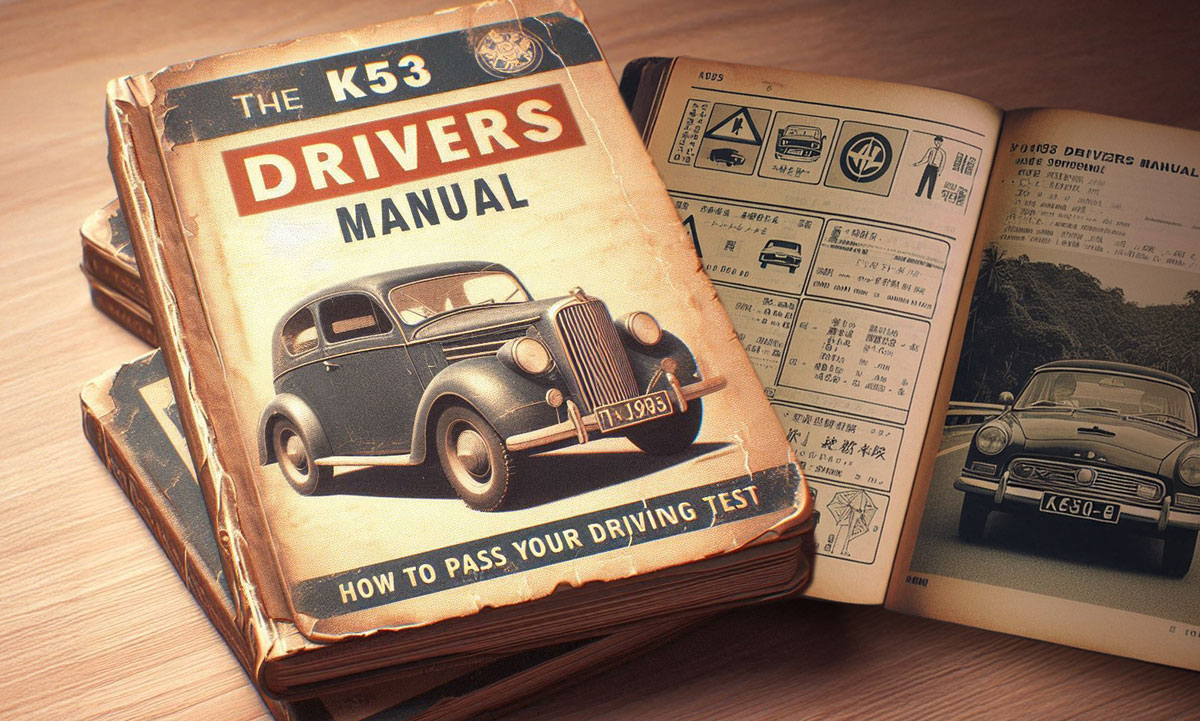
  • Turning Points: The Story Behind The K53 South African Driving Test

    Turning Points: The Story Behind The K53 South African Driving Test

    Turning Points: The Story Behind The K53 South African Driving Test

    If you’ve ever had to study for your driver’s licence in South Africa, you’ve probably come across the term K53 — and maybe even wondered who came up with this stuff. Here’s a quick and friendly breakdown of where it came from and why it still matters.

    Where It All Started

    Before the K53, South Africa used something called the K52 test, which honestly wasn’t the most reliable. Every examiner kinda made up their own rules — so it was super inconsistent. You could pass in one town and totally fail in another for doing the exact same thing.

    That’s when SAIDI (South African Institute of Driving Instructors) stepped in and said: “We need something fair and standard for everyone.” So between 1979 and 1981, the K53 was born.

    What’s the K53 Based On?

    Believe it or not, the K53 is based on a British system that came from Hendon Police College. It’s built around a six-step driving method that goes:
    Course, Mirrors, Signal, Brake, Gear, Accelerate
    (Or just remember: CO-M-S-B-G-A — not the catchiest acronym, we know.)

    This system was all about smooth, controlled driving — the kind cops would use in high-pressure situations. So yeah, if you drive by the book, you’re technically driving like the UK police.

    Why It Had to Happen

    The main reason the K53 was introduced? Examiners were too unpredictable. Some would fail people for safe habits like checking blind spots or using both hands on the steering wheel. K53 brought a consistent, nationwide standard so everyone got judged the same way — fair and square.

    They even trained all the testing officers across South Africa in the same way so no one could just wing it.

    Fun Fact: Race Car Vibes?

    After World War II, lots of ex-soldiers in the UK jumped straight into civilian life… and straight into cars — many without doing proper tests. Accidents skyrocketed. So British driving schools started bringing in race-car logic and professional control systems — even getting input from legends like Malcolm Campbell, a racing icon of the time.

    That same method trickled into what eventually became the K53.

    Summary

    • The K53 test was created around 1980 to fix a broken system.

    • It’s based on a UK police-style driving method.

    • It made driving tests fairer and safer across South Africa.

    • It might feel old-school, but the idea behind it is solid.
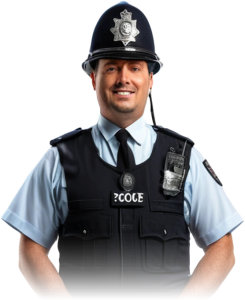
    UK CopSo the next time someone complains about having to do a “full observation,” just remember: You’re literally driving like a boss-level UK cop. 

     

  • What I Learned from Failing My K53 Test – and How I Aced It Next Time

    What I Learned from Failing My K53 Test – and How I Aced It Next Time

    What I learned from failing my K53 Test…and how I aced it the next time!

    Hi, my name is Luzuko and I’m from Khayelitsha in Cape Town.

    I’m 19 years old, and today I’m proud to say I have my driver’s licence. But let me be real with you — I didn’t pass my K53 test the first time. In fact, I failed hard. I cried like a kid afterwards. But I also learned some things that helped me pass the second time — and maybe my story can help you too.
    So here it is. My honest journey from failure to finally getting that little card in my hand.


    Why Driving Meant Everything to Me

    First, let me tell you why this mattered so much. I live with my mom and two younger siblings. She’s a domestic worker and works long hours. We don’t have a car, and taxis eat a big part of our budget. I’ve always wanted to help out — maybe even become an Uber driver part-time while I study. But no licence = no job, no freedom.
    Getting my licence wasn’t just about driving. It was about showing myself and my community that I could win at something. So I booked my learner’s, studied like mad with online quizzes, and passed. Easy.


    The hard part? The actual driving test.

    My First Test: The Failure That Broke Me
    I remember the day like it was yesterday. I was nervous but confident. I had done about five driving lessons with a local instructor. He was chilled — maybe too chilled. We didn’t really practise parking properly. He just told me, “You’ll get it, mfethu, don’t stress.”
    Big mistake.
    At the test centre in Milnerton, I stood there watching other people go before me. I saw one girl stall three times before the hill start. Another guy knocked a pole during parallel parking. I felt the fear creeping in.
    When my turn came, I stepped into the car, hands shaking. It was a Toyota Yaris, not the car I had practised in. The handbrake felt different. The clutch was way more sensitive. Still, I tried to calm down.
    Here’s where I messed up:
    • Alley docking: I turned too wide and touched the line. Immediate fail.
    • Observation: The examiner said I didn’t check my blind spots properly.
    • Nerves: I stalled twice during the incline start and rolled back once.
    After 15 minutes, it was over. The examiner said, “Sorry, Luzuko. You didn’t meet the minimum requirements today.”
    I nodded, smiled politely… then cried outside the testing station. Real tears.

    The Days After: Shame, Anger, and Self-Doubt
    That week was the worst. I avoided telling my friends. I felt like a failure. I blamed everything — the instructor, the car, the examiner, even the weather.
    But after feeling sorry for myself, I realised something important: I wasn’t ready.
    I hadn’t taken the test seriously enough. I thought confidence could cover up a lack of practice. But the K53 is strict for a reason — it’s meant to keep people safe.
    That’s when I decided I was going to come back stronger. No excuses.

    What I Did Differently the Second Time
    Here’s how I turned things around:
    1. I Found a New Instructor (And Paid Attention This Time)
    I got help from a local guy, Uncle Jerry, who’d taught half the youth in my area. He brought out his dusty old copy of The official Motus K53 Manual and made me study it and tested me often. He was strict but fair. He explained every K53 rule in a way I could understand — not just “how,” but why it mattered.
    We practised every move: parallel parking, alley docking, incline starts, 3-point turns, and even emergency stops. And we drilled the observations until they were second nature.
    2. I Saved Up for 5 More Lessons
    I used my savings from tutoring kids after school. Yes, it hurt, but it was worth it. Practice in the actual type of car helped so much. Uncle Jerry even made me practise in his test car — same model as the testing station.
    3. I Studied the Test Routes
    Uncle Jerry took me on the actual Milnerton test routes — the speed bumps, the tricky corners, and the dodgy intersections where most people fail. When I arrived at the station the second time, nothing felt unfamiliar.
    4. I Practised Mindset Stuff
    No one talks about this, but driving tests are mostly in your head. I watched YouTube videos about test-day nerves, did breathing exercises, and even started visualising myself passing. I stopped calling it “the test” and started calling it “my victory lap.”


    Test Day — Round 2: Different Driver, Same Name

    My second test was three weeks after my first failure. When I walked into the station, I saw the same examiner. I didn’t mind. This time, I was ready.
    Here’s how it went:
    • Vehicle inspection: I nailed it. Knew what to say and what to check.
    • Yard test: No mistakes. Every manoeuvre done smoothly and on point.
    • Incline start: No rollback.
    • On the road: I kept calm, did all my observations, and followed every speed limit.
    At the end, the examiner looked at me and said:
    “Congratulations, Luzuko. You passed.”
    I could’ve shouted. I actually smiled so wide he started laughing. Outside, I did a little dance. I didn’t care who was watching. I earned that win.

    5 Lessons I Learned from Failing My K53
    Now that I’ve been through it, here’s what I want to tell anyone reading this:
    1. Failing Is Not the End — It’s Part of the Process
    No one wants to fail, but sometimes it’s the only way to learn what you need to. I wouldn’t be the driver I am now if I had passed the first time.
    2. Don’t Just “Wing It” — Respect the K53 System
    There’s a reason it’s strict. The rules teach you to think and drive safely. If you learn properly, you’ll drive better — even after the test.
    3. Pay for a Good Instructor If You Can
    Even if it’s just a few lessons. You need someone who knows the test system and can show you your blind spots — literally and figuratively.
    4. Your Mindset Matters More Than You Think
    Nerves can make you forget everything. Breathing, confidence, and preparation go a long way.
    5. Your Background Doesn’t Define You
    I’m a kid from the kasi with no car at home — and I passed. If I can do it, so can you.

    So, What’s Next for Me?
    Now that I’ve got my licence, I’ve started driving my uncle’s bakkie for small deliveries. I’m saving up for a secondhand car. And I’ve started giving free K53 tips on my WhatsApp status to friends who are learning.
    My dream? To get my PDP and become a full-time driver, maybe even run my own transport business one day.
    But for now, I’m just proud of myself. Proud that I didn’t give up.

    Final Words: To You Reading This
    If you’ve failed before — or you’re scared to try — I get it. It sucks. But that test doesn’t define you. Your story isn’t over. You just need a plan, a bit of help, and belief in yourself.

    As we say in the township:
    Uhambo aluqali ngemoto — luqala ngengqondo.”
(“The journey doesn’t start with the car — it starts with the mind.”)

    Go get that licence!

    Luzuko M.   Khayelitsha

  • Confidence on the Road – How to Build Mental Toughness for Your K53 Test

    Confidence on the Road – How to Build Mental Toughness for Your K53 Test

    Confidence on the Road: How to Build Mental Toughness for Your K53 Test

    Let’s be honest — taking your learner’s or driver’s test is scary.

    Your hands are shaking. Your heart is racing. Your mind goes blank. You know the answers or how to drive, but somehow, you still feel like you’re going to mess it all up.

    If this sounds like you, you’re not alone.

    Many young people in South Africa feel nervous when it’s time to take their K53 test. Especially if it’s your first time, and you’ve never been tested like this before. But here’s the truth: confidence and mental strength can be learned — just like road signs and parking.

    This article will show you how to stay calm, focused, and ready — even if your nerves are all over the place.

    Why Do We Feel So Nervous?

    Let’s break it down. We get scared because:

    • We don’t want to fail

    • We don’t want to look stupid

    • We think the examiner is judging us

    • We’ve never done something like this before

    For many of us from townships or rural areas, learning to drive is a big deal. It’s about getting freedom, maybe a job, or just feeling proud. So it’s normal to feel pressure.

    But the trick is not to fight the fear. The trick is to learn how to deal with it.

    What Is Mental Toughness?

    Mental toughness means:

    • Staying calm under pressure

    • Not giving up when things go wrong

    • Believing in yourself

    • Controlling your thoughts and nerves

    You don’t have to be born confident to be mentally strong. You can train your brain just like you train your hands to drive.

    Eight Tips to Build Confidence for Your K53 Test

    1. Know Your Stuff

    The more you practise, the less you panic.

    • For the learner’s test: Do practice questions every day.

    • For the driving test: Repeat every move — parking, hill start, 3-point turn — until it feels automatic.

    Confidence comes from preparation. If you know what to expect, you won’t feel lost.

    2. Visualise Your Success

    This may sound silly, but it works.

    • Close your eyes.

    • Imagine yourself walking into the testing centre.

    • See yourself answering the questions or driving well.

    • Hear the examiner say: “You passed.”

    Do this every day before the test. Your brain starts to believe it’s possible.

    3. Breathe to Control the Panic

    On the test day, if you feel your heart racing — breathe slowly:

    • In through your nose (4 seconds)

    • Hold it (4 seconds)

    • Out through your mouth (4 seconds)

    Repeat this 3 times. It will calm your nerves and clear your mind.

    4. Don’t Let One Mistake Break You

    You stall the car. Or you forget to check a mirror. You think, “I’ve failed!”

    But guess what? You’re allowed small mistakes. Don’t panic. Just keep going. Most people fail because they give up too quickly after one error.

    Tip: Even in the learner’s test, you can get a few questions wrong and still pass. So keep your head up.

    5. Talk to Yourself Like a Friend

    When your inner voice says:

    “You’re going to fail.”

    Say:

    “No. I’ve prepared. I’m ready. I can do this.”

    Speak to yourself like you would speak to your best friend. Be kind. Be strong. Be real.

    6. Practise Under Pressure

    Ask a friend or cousin to act like the examiner while you practise. Tell them to be strict.

    • Sit in a quiet room and do mock learner questions with someone watching

    • Drive the test route with someone timing you

    Get used to pressure. Then test day won’t feel so scary.

    7. Arrive Early and Chill

    On test day:

    • Arrive at least 30–45 minutes early

    • Sit somewhere quiet

    • Don’t chat to others who are panicking — that energy can affect you

    • Stretch, breathe, sip water

    Don’t rush. Don’t overthink. You’ve done the work — now trust yourself.

    8. Remember Why You’re Doing This

    When nerves hit hard, remember your goal.

    • You want that job

    • You want to help your family

    • You want independence

    Hold that reason close. Let it push you through the fear.

    Real Talk from Others Who’ve Been There

    “I failed my test the first time because I panicked. But the second time, I took deep breaths, spoke kindly to myself, and passed. Now I help my gogo with shopping every week.”
    Thabiso, 21, Soweto

    “I was shaking in the testing yard. But I had practised so much, my body just did the work. I passed and now I’m working part-time as a delivery driver.”
    Nomvula, 20, Mdantsane


    Final Words: You Are Capable

    Listen — nerves are normal. But they don’t have to stop you. You are stronger than your fear. You’ve already come this far, and that means you can go further.

    • Practise hard

    • Believe in yourself

    • Stay calm under pressure

    When the day comes, take a breath, lift your head, and show them what you’ve got.

    Confidence is not about being perfect. It’s about not giving up.

    Want more help? Check out our blog for tips, real stories, and free practice questions to help you pass your K53 test.

    You’ve got this!

MotusK53 Logo.png

Sign In with Google

[nextend_social_login]

Or

Sign in with Email

Register